2026 AgeLab Member Forum Convenes Professionals to Fathom Complexity in Consumers’ Lives
by Niels Wu
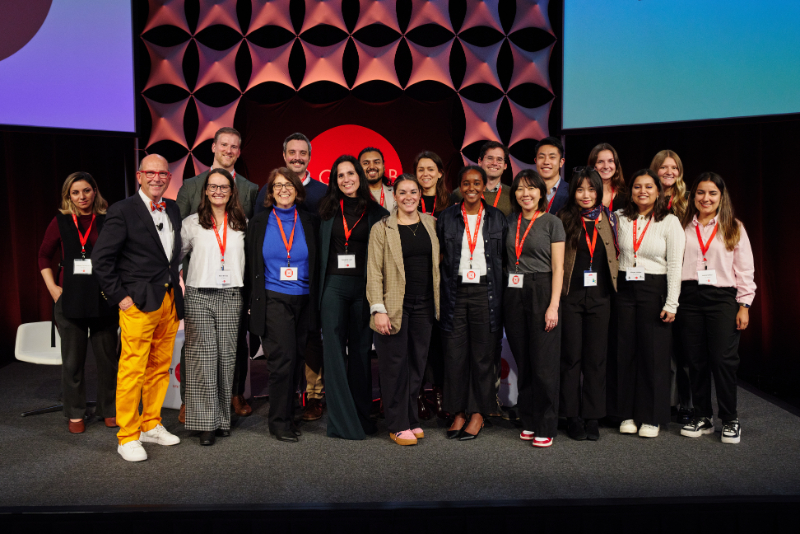
Across two days in October, the AgeLab hosted its annual Member Forum for sponsor organizations on MIT’s campus in Cambridge, Massachusetts. This year’s Forum, titled “From Complexity to Confidence,” assembled over 150 professionals to consider the notion that people today, who live longer on average than any previous generation, also contend with an unprecedented level of complexity in their lives.
Many industries were represented—financial services, healthcare, technology, senior living, and more—underscoring the fact that although complexity cuts across industries, so do many of the ways we can respond to it. The Forum’s programming was designed to alert attendees to ways that complexity may impact their businesses’ clients, and to help them brainstorm potential solutions.
The Forum opened with a video produced by AgeLab researcher Niels Wu introducing the Forum’s theme and featuring interviews with Bostonians about how complexity manifests in their lives.
AgeLab founder and director Joe Coughlin then greeted the audience and was joined on stage by Brooks Tingle, President and CEO of John Hancock, and Stephen Kramer, President and CEO of Bright Horizons, for a fireside chat. The trio discussed the ways that people are assessing or preparing for longer lives, or managing the increasingly overlapping demands of work, family, education, caregiving, and more.
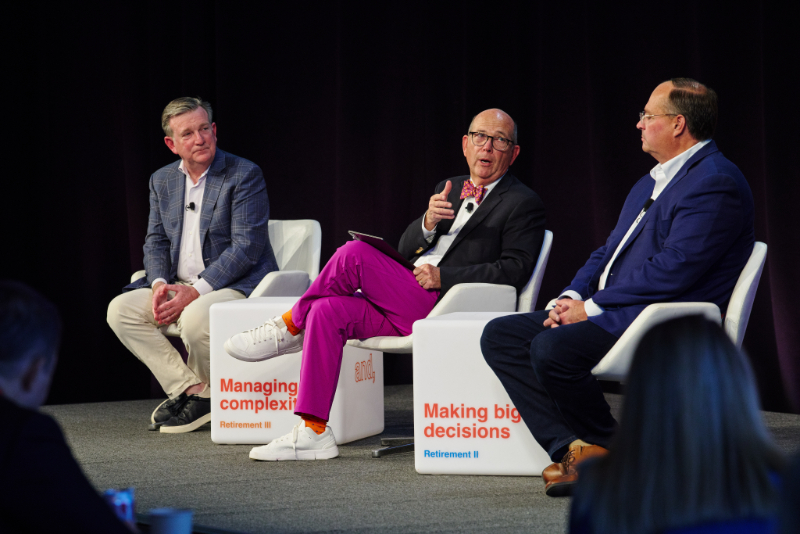
The rest of the day consisted of two panels of professionals working in industries where increasing longevity in shifting consumers’ needs and expectations, namely financial services and senior living. Financial professionals discussed how their industry has transformed from one of executing transactions to one of providing advice across a sweeping range of interconnected topics such as retirement, caregiving, housing, health, mobility, work, and family. Senior living professionals talked about how their industry is evolving from a response to frailty in older adults toward an industry that can continue to ensure quality of life and a sense of “home” far into older age.
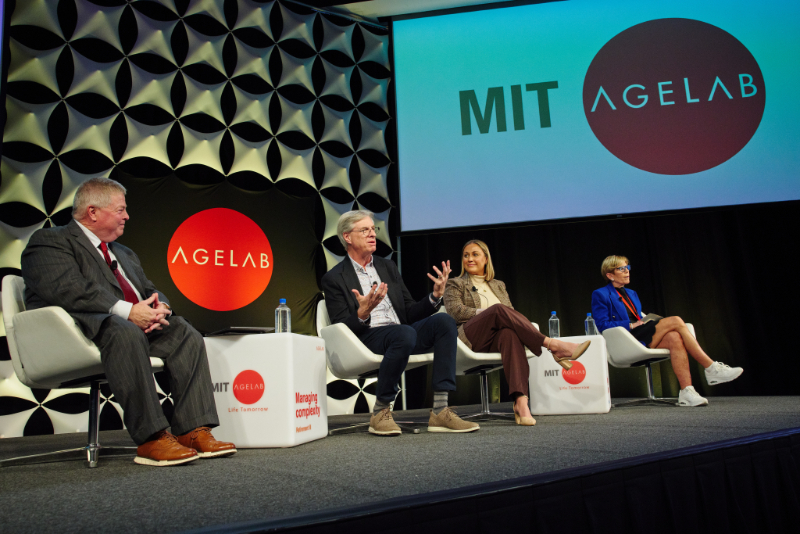
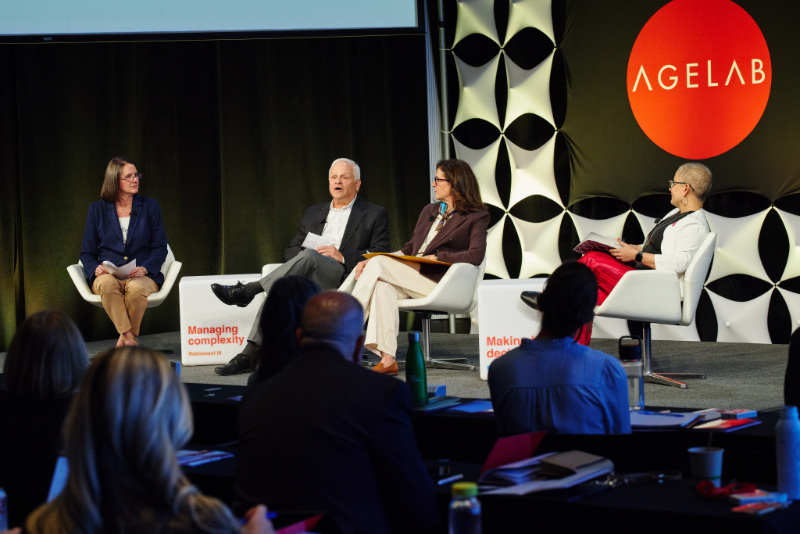
Day two of the Forum brought two more fireside chat sessions. One was between Joe Coughlin and Lidia Bastianich, an Emmy Award-winning television host, restaurateur, bestselling cookbook author, entrepreneur, and co-founder of Eataly USA. On stage, they pondered how businesses, in an age of rapidly advancing digital technology, can make their clients feel more human, not less. In Bastianich’s case, this has meant reinventing what is to her a deeply human experience—sitting around a table enjoying food, connection, and belonging.
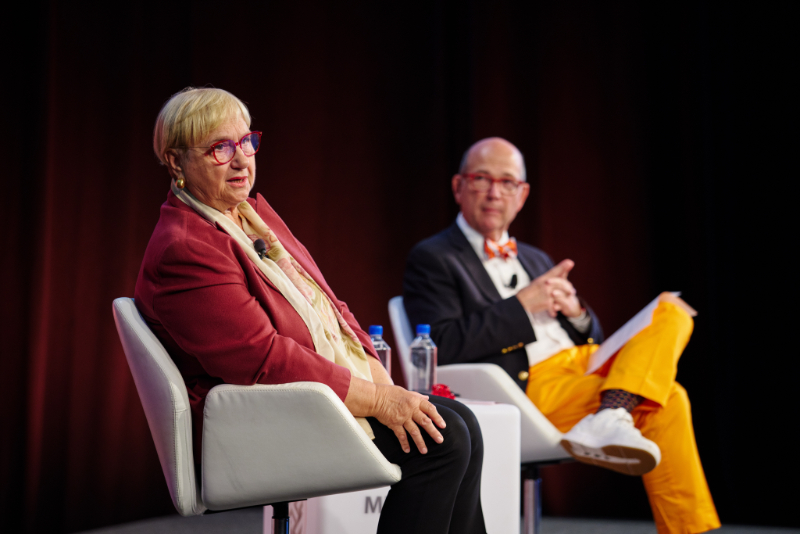
The second chat featured Joe Coughlin and Lisa Marsh Ryerson, President of Southern New Hampshire University, and focused on how higher education can better support students forging non-traditional life paths. Ryerson described her university’s open-access model which affords students more flexible pathways through their coursework.
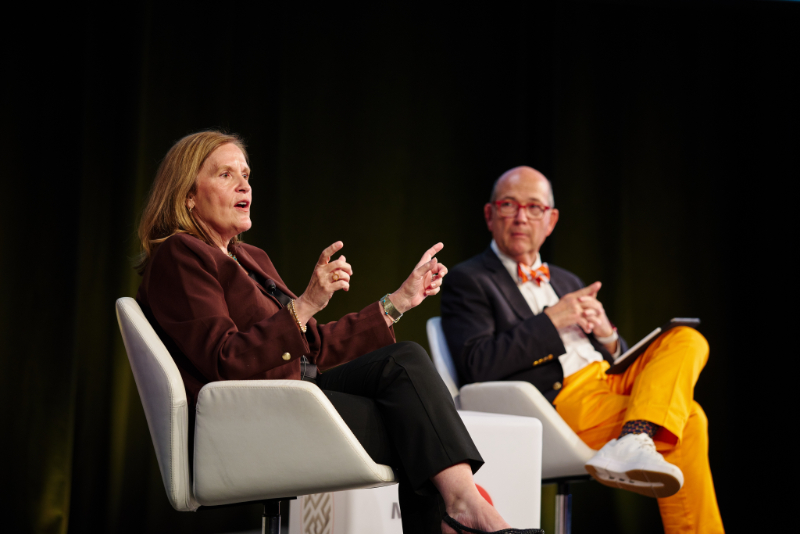
A series of four panels comprised the remainder of the second day. Each explored a different pathway for businesses to reduce the amount of complexity their consumers face: curating information, extending human capability, delivering experiences, and cultivating trust.
Sophia Ashebir first moderated a panel highlighting the overwhelming and byzantine guidance that consumers of Medicare, financial advice, and senior care often receive. Panelists from each of these industries spotlighted efforts their organizations have made to simplify the information-seeking process and suggested such condensation as a potential use case for AI.
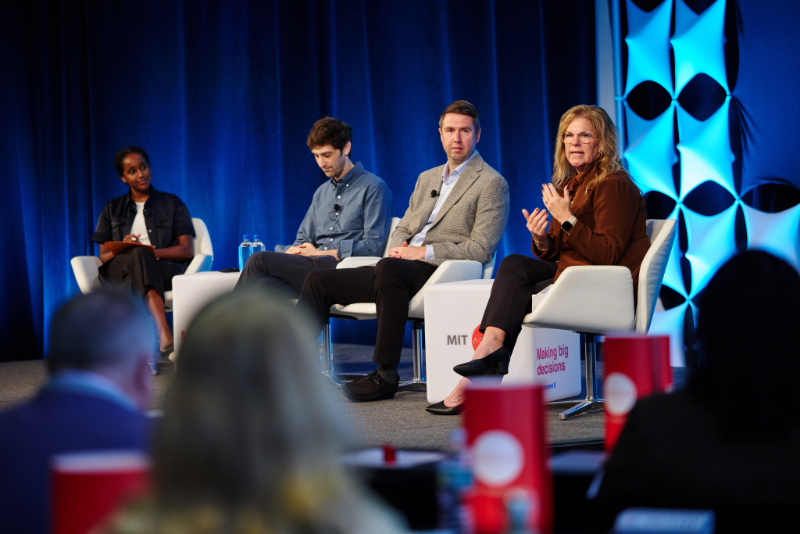
Next, Pnina Gershon moderated a panel of professionals working to understand the relationship between humans and technology. They stressed the need to preserve an appropriate level of human awareness and control when designing new technologies while also accounting for the need for privacy and security. The panel also discussed how companies should work to understand and design for the full spectrum of consumers that may end up using their products.
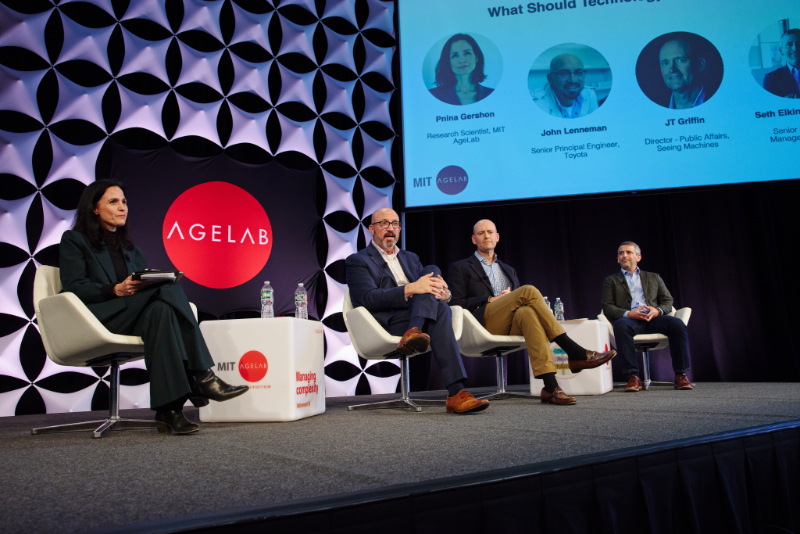
Chaiwoo Lee then moderated a panel focused on understanding what makes up a positive consumer experience. Her panelists, representing the retail, healthcare, and design industries, emphasized that the best experiences are ones where complexity is managed behind the scenes, leaving the consumer to be delighted by a journey fitting their expectations and the context of their lives.
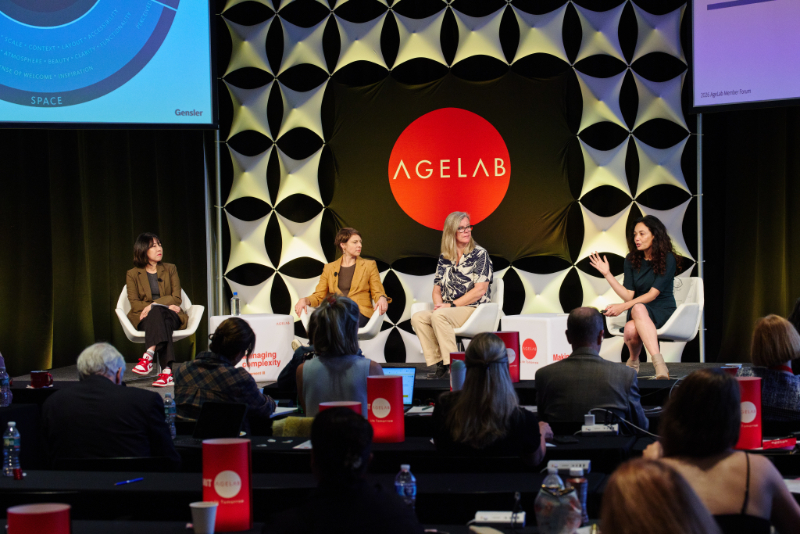
Lastly, professionals from the home security, financial services, and market research industries joined Samantha Brady on stage for a panel discussion about how consumers decide which people, technologies, brands, and institutions they trust. Panelists agreed that personalization, transparency, and consistency all manufacture trust. They also hypothesized that human connection will be key to building trusting relationships with consumers in an age of evolving digital technology.
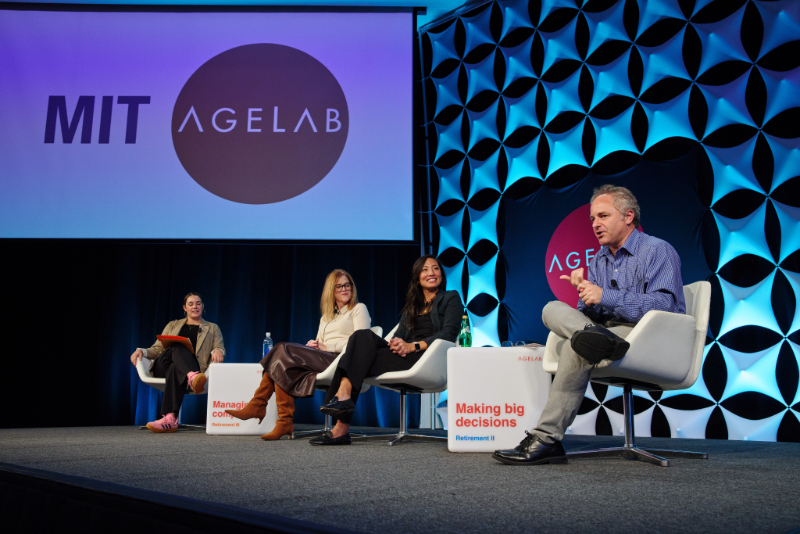
The AgeLab appreciates its sponsor organizations for their continued support of AgeLab research and would like to extend a special thank you to John Hancock, Hartford Funds, and National Bank of Canada for making this year’s Forum possible.
- Share